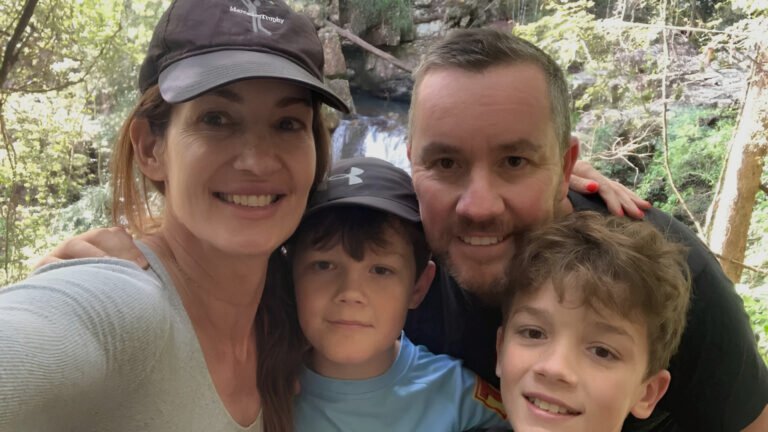
My husband is on day 12 of a 90-day alcohol-free commitment. Given that I work with people daily who are doing this, you would think I would have been prepared. But on Zoom calls I am in control, and I can sign off after 90 minutes. Living in direct proximity and observing the fallout every day, I found my anxiety levels soar.
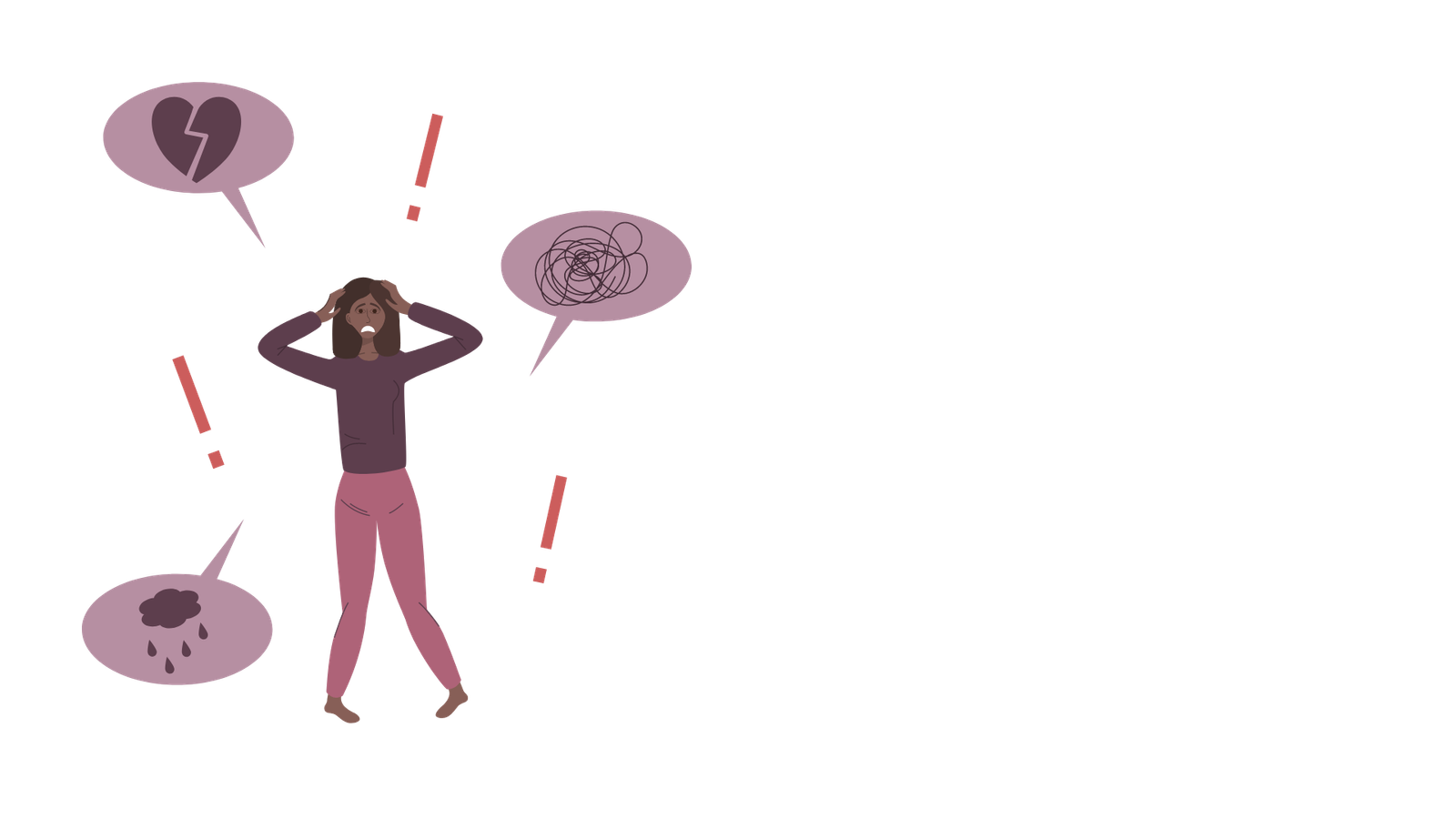
I was painfully reminded of why people find it so hard to stop drinking and stay stopped. Who wants to feel irritable, agitated, angry, and bored? Who wants to feel like the weekend has lost its appeal, and that all the fun and escapism have been taken away?
The promise of immediate gratification and short-term relief overshadows ten-fold the wonderful but uncertain possibility that living alcohol-free presents.
Thankfully after 12 days, the storm passed. But this experience inspired me to revisit some old memories and to recall, again, just how toxic and addictive alcohol is.
Why the First Days Feel So Painful
At over three years alcohol-free, I do not feel any sense of loss by not drinking. But I remember when I did. I too battled the biological, psychological, social, and spiritual factors that not only made it painful to stop but also amplified the sense that I was weak-willed. The internal battle in my head drove me crazy as I continued to do something I knew deep down was ruining my life.
At the time I did not consciously know or accept the truth. Alcohol is a highly addictive substance, and when we are addicted our desire to drink overrides reason. Not because we are weak, but because we are addicted.
Our level of dependency is in direct proportion to how much pain we feel when we stop. And given we drink to avoid pain, it is no wonder we keep turning to alcohol.
The Stop-Start Cycle
The stop-start cycle of quitting alcohol is brutal, especially when we compare how we feel without it to how we felt with it at its best. The fun, the escapism, the numbing effect it gives short-term. We stop, and we feel deprived. We associate misery with quitting, so we go back, reinforcing in our minds that life is better with it.
After a few weeks, months, or even years, the pain of drinking returns, but with more force. And if we found quitting hard in the past, we avoid it for as long as possible because there is no pleasure associated with not drinking. We have not yet made the pivotal connection.
Stress, anxiety, self-loathing, low confidence, exhaustion, weight gain, reactivity, and apathy are all caused by the very thing we use to try and solve or avoid them. The feelings my husband experienced in the first week were not because he was not drinking. They were because he drank. They are the long-term effects of consuming a toxic, addictive substance in excess for over 20 years.
Once we see that connection and realise that alcohol creates and amplifies the pain we are trying to avoid, it becomes a lot easier to commit to change.
You Are Not Weak
If you are afraid of living without alcohol, be honest with yourself. You are on some level addicted. You do not drink just to have fun or relieve stress, because there are many ways you can do both without ingesting poison.
This is actually good news, because you can stop beating yourself up. You, like millions of others, are simply experiencing a biological dependency that resolves within 7 to 10 days, alongside psychological and social conditioning. These are all things that can be worked through. And once you gain clarity from the haze, the discovery that life is better without what alcohol creates is incredibly empowering.
Once you see alcohol for what it really is, a highly addictive substance that controls your body, mind, and spirit, you can start to understand why those who do not drink seem to thrive. It is not because they are better than you. It is because they are not drinking poison.
All of these factors take time and commitment to work through. But the most powerful thing you can do today, if alcohol has you in its grip, is to be honest with yourself. You are not weak-willed or helpless. You are dependent. And thousands of people who felt exactly the same way have freed themselves.
Allow yourself to imagine the freedom of not having to think about when, what, where, and how much. What did I say or do? Who did I upset? What did I lose? Is it not time to stop the pain, once and for all?
If you want to understand more about why alcohol cravings happen and what they really mean, that is a good place to start.
Books That Can Help
Some books worth reading if you want to go deeper on this topic:
- Annie Grace, This Naked Mind
- William Porter, Alcohol Explained
- Holly Whitaker, Quit Like a Woman
- Allen Carr, The Easy Way to Control Alcohol
- Russell Brand, Recovery
Ready to Take the Next Step?
If you are ready to go further, explore the group coaching program or find out more about one to one coaching to get personal support on your journey.