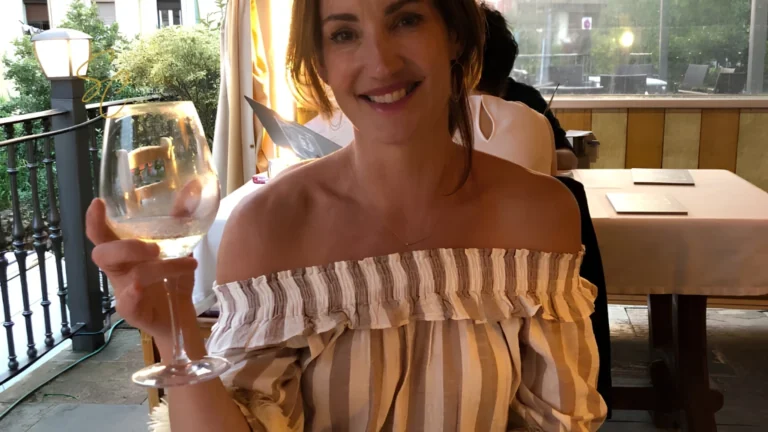
I loved drinking. At least in the early days.
I liked nothing more than the pre-event anticipation, knowing that later that day I could slowly disappear into that carefree state, feel the excitement and energy that came with the second glass of wine, and feel all the tension in my body melt away.
But eventually I found myself hoping there would be no events or celebrations because I was trying to cut back. And this became a miserable cycle. I did not want to drink, but I did not want to not drink either. I found myself stuck in the middle.
I wanted to drink what I wanted, when I wanted, without any negative consequences. This is what I call the Third Door, and it is what most people I speak to are still looking for.
The Fear-Based Objections That Keep Us Stuck
In that state of limbo, the mind gets very good at talking us out of change.
Are you saying I can never drink again? Because if you are, I am not interested. I would rather take the quick relief of a few drinks and live with the internal misery. After all, I am not that bad. I am not an alcoholic. I can take it or leave it, sometimes.
Sound familiar?
For many people, alcohol is quietly taking over their minds, relationships, and potential. Hours, days, weeks, months, and years of mental energy spent trying to control an addictive substance. All for the sake of fitting in, relaxing, having fun, or numbing out. In a moment of stress or boredom we reach for short-term comfort, ignoring the long-term cost. Until the next morning, when we wake up with new determination to stop. Then six o’clock rolls around and we are reaching for relief again.
Why the Cycle Keeps Repeating
The reason it is so hard to stop drinking alcohol is not a lack of willpower. It is the nature of addiction itself.
Alcohol creates a loop in the brain. It provides relief from discomfort, which teaches the brain that alcohol solves problems. Over time the brain starts reaching for it automatically whenever discomfort appears. The more you drink, the stronger that automatic response becomes. And the more you try to control it through rules and negotiations, the more mental energy it consumes.
The exhausting part is not the drinking. It is the constant internal debate. Should I or should I not? How much is too much? Can I stop at one tonight? What will people think if I do not drink?
That negotiation is where the real damage happens. Not just to health, but to confidence, self-trust, and the sense that you are in charge of your own life.
The Question Worth Asking Honestly
Can you control an addictive substance without it consuming your thoughts? And if not, how long are you willing to keep trying?
Have you spent time this year trying to moderate? Are you still hoping the third door exists? Or are you exhausted, frustrated, and quietly promising yourself you will try again next year?
The people who have done the work and stopped drinking do not wake up wishing they had had a drink the night before. They feel lighter, clearer, more confident, and genuinely proud of themselves. They no longer waste energy on internal negotiations that go nowhere.
If alcohol is leaving you drained and frustrated, waiting will not make it easier. The same patterns will be there in three months, six months, or a year. The only thing that changes is the cost.
What Actually Helps
Understanding why stopping feels so hard is the first step. When you know that the struggle is not a character flaw but a predictable response to an addictive substance, the shame starts to loosen. And when shame loosens, change becomes possible.
The next step is getting real support rather than trying to white-knuckle it alone. Most people who successfully stop drinking do not do it through willpower. They do it through understanding, community, and the right tools applied consistently over time.
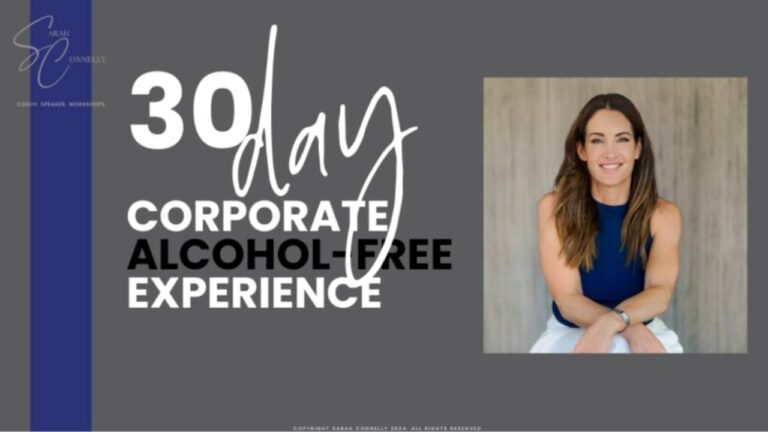
If you are ready to understand more about what is driving your drinking, why alcohol cravings happen and what they really mean is worth reading. And when you are ready to take a proper break with real support around you, find out more about working with Sarah Connelly.
Sarah Connelly