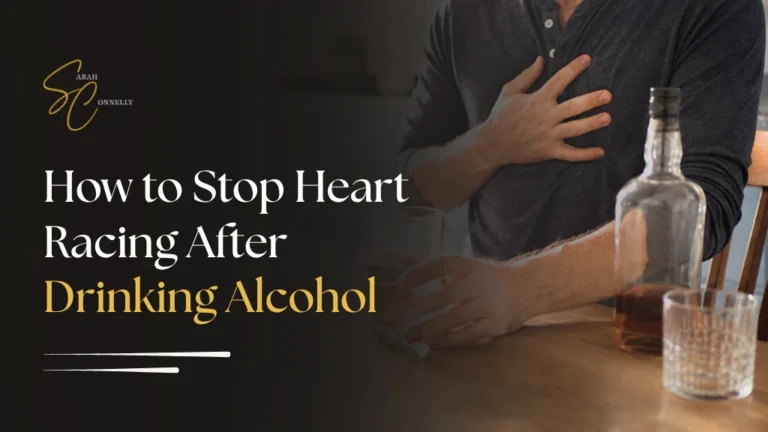
If you have woken up at 3 am with your heart pounding after a night of drinking and had no idea why, you are not alone. A racing heart after drinking alcohol, also called alcohol-induced tachycardia or heart palpitations after drinking, is one of the most common cardiovascular symptoms reported by regular drinkers. It is not random, and it is not a coincidence. By the end of this blog, you will understand exactly why it happens, what you can do to calm it down, when it requires medical attention, and what it means if it keeps happening.
Why Does Alcohol Make Your Heart Race?
Alcohol is a central nervous system depressant. That paradox, a depressant that speeds up your heart, confuses most people. Here is what is actually happening.
When you drink, alcohol simultaneously slows brain activity and activates the sympathetic nervous system, the system responsible for your fight-or-flight response. A 2021 study published in Scientific Reports, which analyzed cardiac autonomic regulation in 15 healthy adults during controlled alcohol administration, confirmed that acute alcohol consumption increases sympathetic nervous system activity and reduces parasympathetic activity. The result is an autonomic imbalance where your heart beats faster, and its natural beat-to-beat variability decreases.
At the same time, alcohol causes blood vessels to dilate. Your heart compensates by pumping harder and faster to maintain circulation. Electrolytes, which regulate the heart’s electrical signals, are depleted as alcohol acts as a diuretic. Dehydration compounds the cardiovascular strain.
The combination of sympathetic nervous system activation, vasodilation, and electrolyte depletion is why alcohol produces a racing heart even when it initially feels like relief.
Why the Morning After Is Often Worse
Many people notice heart palpitations after drinking not while they are consuming alcohol but in the hours after, particularly when they wake in the early morning.
A 2024 study published in Hypertension, involving 26 healthy adults in a randomized controlled crossover trial, found that the morning after binge drinking showed elevated sympathetic transduction to blood pressure and heightened cardiovascular reactivity compared to control nights. Sympathetic nervous system activity was measurably higher the next morning even after the alcohol had cleared the system.
Oura’s analysis of data from over 600,000 members, published in November 2025, confirmed that on nights tagged with alcohol consumption, average heart rate increased by 9.6 percent and lowest resting heart rate rose by 8.2 percent compared to surrounding alcohol-free nights.
Your heart is working harder throughout the night and remains in a heightened state the following morning. The racing heart, the sense of unease, and the shallow breathing at 3am or 6am are direct consequences of your autonomic nervous system still processing the impact of the alcohol you drank hours earlier.
How to Stop Your Heart Racing After Drinking
Stop drinking and stay still. Further alcohol intake continues to activate the sympathetic nervous system. Physical activity raises heart rate further. Sitting or lying still allows your nervous system to begin settling without additional stimulation.
Hydrate with water and electrolytes. Alcohol depletes sodium, potassium, and magnesium, all of which are essential for normal cardiac electrical function. Plain water helps. Adding electrolytes through a sports drink, coconut water, or an electrolyte supplement restores the minerals that regulate heart rhythm more effectively than water alone.
Practice slow, controlled breathing. Slow diaphragmatic breathing activates the parasympathetic nervous system, which counteracts the sympathetic activation driving the racing heart. Extending your exhale longer than your inhale engages the vagus nerve, which directly signals the heart to slow down. A longer out-breath than in-breath is the key principle.
Apply cold water to your face. Alcohol raises skin temperature through vasodilation. Splashing cold water on your face, particularly around the forehead and nose, activates the mammalian dive reflex, a parasympathetic response that reduces heart rate. The dive reflex is a well-documented physiological response that directly engages the parasympathetic nervous system to slow cardiac activity.
Avoid caffeine. Caffeine is a stimulant that further activates the sympathetic nervous system. Coffee the morning after drinking adds cardiovascular stress on top of what alcohol has already produced and can intensify palpitations and heart racing.
When to Seek Medical Attention
A racing heart after drinking is common and usually resolves on its own with rest and hydration. Certain symptoms require immediate medical attention.
Seek care if you experience chest pain or pressure alongside a racing heart. If your heart beats irregularly for more than a few minutes, or the sensation does not ease with rest and hydration, contact a doctor. Shortness of breath, fainting, dizziness severe enough to prevent standing, or heart racing that persists for several hours without settling all warrant professional assessment.
For people with existing heart conditions, including atrial fibrillation, high blood pressure, or a history of arrhythmia, regular alcohol-induced heart racing should be discussed with a cardiologist. Cardiovascular risk from alcohol increases with regular consumption. There is no established threshold below which alcohol does not affect heart rate or rhythm.
This blog provides general educational information only. If you have concerns about your heart health, consult a qualified medical professional.
Why Professionals Are Particularly Vulnerable
The sympathetic nervous system and the stress hormone cortisol interact in a compounding way for professionals under sustained work pressure.
Chronic workplace stress keeps cortisol elevated. Research published by the National Institute on Alcohol Abuse and Alcoholism in Alcohol Research: Current Reviews confirms that alcohol acutely activates the hypothalamic-pituitary-adrenal axis, the system that regulates cortisol and the body’s stress response. For professionals already carrying elevated cortisol from work demands, alcohol adds a second layer of HPA axis activation on top of a baseline that is already running high.
The result is that the morning after drinking, cortisol, sympathetic nervous system activity, and heart rate are all elevated to a greater degree than they would be in someone without chronic work stress. The racing heart, elevated blood pressure, and sense of unease are more pronounced, last longer, and take longer to recover.
Most professionals attribute this to a stressful week, a poor night’s sleep, or anxiety about the day ahead. The connection to the alcohol consumed the previous evening is rarely made until the pattern is examined directly.
Understanding why alcohol cravings happen and what the brain chemistry behind them actually looks like explains why the after-work drink feels necessary in the first place and why the cycle is neurological rather than motivational.
What Is Holiday Heart Syndrome?
Holiday Heart Syndrome is the term used to describe irregular heart rhythms, most commonly atrial fibrillation, that occur in otherwise healthy people after episodes of heavy drinking.
The 2021 Scientific Reports study on cardiac autonomic regulation confirmed that alcohol-induced autonomic imbalance, specifically increased sympathetic activity and decreased parasympathetic activity, may trigger the arrhythmias underlying Holiday Heart Syndrome. The condition was first described in the medical literature in 1978 and is well documented in emergency cardiology across the United States.
It typically occurs after heavier drinking than usual, during holiday periods or celebrations, in people who do not otherwise have heart conditions. For professionals who drink more heavily at networking events, client dinners, or during high-pressure work periods, Holiday Heart Syndrome represents the acute end of the same cardiovascular spectrum that regular drinking affects over time.
Does Quitting Alcohol Improve Heart Rate?
Yes. Heart rate and heart rate variability both improve measurably when regular drinking stops.
The Oura data published in November 2025 confirms the difference clearly. On alcohol nights, heart rate is elevated and HRV drops. On alcohol-free nights, both normalize. For regular drinkers, cardiovascular recovery is one of the most measurable physical changes in the first four to eight weeks of stopping.
A review of cardiovascular outcomes published in the Journal of the American Heart Association found that blood pressure drops an average of 4 to 8 mmHg within two to four weeks of stopping alcohol. Resting heart rate normalizes as the sympathetic nervous system no longer receives repeated activation from alcohol. HRV improves as parasympathetic function recovers and the autonomic nervous system rebalances.
For a full account of what the body goes through across the weeks and months after stopping drinking, what happens to your body when you quit drinking alcohol covers the complete cardiovascular, neurological, and hormonal timeline.
Frequently Asked Questions
Why does my heart race after drinking alcohol? Alcohol activates the sympathetic nervous system while dilating blood vessels and depleting electrolytes. The heart compensates by beating faster. Research published in Scientific Reports confirmed that acute alcohol consumption increases sympathetic nervous system activity and reduces parasympathetic activity, producing an autonomic imbalance that raises heart rate and causes palpitations.
How do I stop my heart racing after drinking? Stop drinking, hydrate with water and electrolytes, practice slow breathing with a longer exhale than inhale, apply cold water to your face, and rest. Avoid caffeine. Most alcohol-induced heart racing and palpitations settle within a few hours with these steps.
Why does my heart race the morning after drinking, not while I am drinking? As alcohol clears the system, the sympathetic nervous system rebounds to an elevated state. A 2024 study published in Hypertension confirmed elevated sympathetic cardiovascular reactivity the morning after binge drinking. Cortisol also rises during this period, compounding the effect on heart rate.
What is Holiday Heart Syndrome? Holiday Heart Syndrome refers to cardiac arrhythmias, most commonly atrial fibrillation, that occur in otherwise healthy people after heavy drinking. Research confirms it is caused by alcohol-induced autonomic imbalance, specifically increased sympathetic and decreased parasympathetic nervous system activity.
Can one or two drinks cause a racing heart? Yes. The sympathetic nervous system activation that alcohol triggers occurs across all levels of consumption. The magnitude is dose-dependent, but the mechanism operates at any amount. For people with existing cardiovascular sensitivity or a tendency toward tachycardia, even one or two drinks can produce noticeable heart rate elevation.
When should I see a doctor about a racing heart after drinking? Seek medical attention if the racing heart is accompanied by chest pain or pressure, significant shortness of breath, or fainting, or if it lasts several hours without settling. People with existing heart conditions, including atrial fibrillation or high blood pressure, should discuss alcohol-related heart racing with a cardiologist.
Does quitting alcohol stop heart palpitations? For most people, yes. Resting heart rate and heart rate variability both normalize when regular drinking stops, typically within four to eight weeks. The sympathetic nervous system activation that alcohol repeatedly triggers is removed, and parasympathetic function recovers, reducing palpitations significantly for most people.
The Racing Heart Is a Message Worth Listening To
If your heart races after drinking regularly, your cardiovascular system is telling you something that stress and poor sleep have been taking the blame for.
Sarah Connelly is a Brisbane-based accredited Master Grey Area Drinking Coach, counselor, and speaker who works with high-achieving professionals across the United States, Australia, and internationally. Her approach is science-based, completely private, and built around the reality of a demanding professional life. No labels. No rehab. No rock bottom required.
Explore the 90-Day Reset group coaching program and find out what your cardiovascular system, your sleep, and your mornings feel like when alcohol is no longer part of the picture.